Stains, chips, gaps, uneven tooth length, exposed roots, and old restorations can change how you feel about your smile, but the visible problem is not always the real dental problem. By the end, you will know which concerns suit cosmetic care, which need disease control or another specialist first, and how to compare treatment choices before accepting an irreversible change.
Key takeaways
- Consult a cosmetic dentist for concerns affecting confidence, proportion, or smile symmetry.
- Rule out decay, gum disease, bite problems, and worn enamel before cosmetic treatment.
- Match treatment to the concern: whitening, bonding, veneers, alignment, or gum reshaping.
- Treat active dental disease before pursuing cosmetic improvements.
Which smile concerns justify a cosmetic-dentist consultation?
Book a cosmetic dentist consultation when a visible concern affects your confidence, facial proportion, or smile symmetry—even if you do not know which treatment fits.
A focused consultation does not commit you to treatment or imply that every imperfection needs correction; it helps separate a worthwhile change from a harmless feature you may prefer to keep.
Use this checklist:
- Stained teeth that remain discoloured after routine cleaning
- Chipped enamel or cracked enamel visible when you smile
- Uneven tooth length and gaps that make the smile look unbalanced
- Worn or shortened teeth that alter proportion
- A gummy smile with more gum showing than you want
- Exposed roots that change the colour or outline of teeth
- Missing teeth affecting appearance, speech, chewing, or symmetry
- Old discoloured fillings, crowns, or veneers that no longer match
| Concern type | What a consultation can clarify | When it is not elective-first |
|---|---|---|
| Appearance-led | Whether whitening, bonding, alignment, gum treatment, or tooth replacement suits the concern | No treatment is needed if the feature is healthy and does not trouble you |
| Unclear cause | Whether the change involves tooth shape, colour, gum display, proportion, or visible symmetry | Examination comes before cosmetic planning when the cause is uncertain |
| Possible disease | Whether the visible problem needs restorative, gum, or other specialist care | Pain, bleeding, swelling, persistent bad breath, loose teeth, or rapidly changing tooth position require diagnosis and disease control first. |
How can you tell whether appearance is hiding a dental problem?
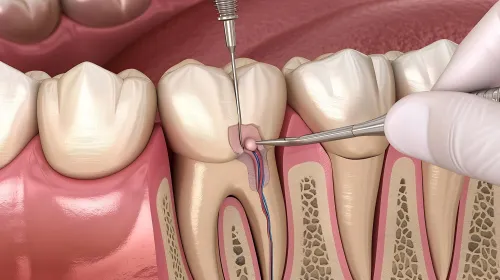
A smile change can be the visible result of an underlying cavity, cracked tooth, gum disease, enamel erosion and tooth wear. Darkening, a longer-looking tooth, a new gap or altered tooth position can also signal infection or a bite problem rather than an appearance-only issue.
Seek diagnosis and disease control before whitening, veneers, bonding or orthodontic treatment if you have:
- Tooth pain, cavities or sensitivity that is worsening
- Swollen or bleeding gums, exposed roots or persistent bad breath
- Loose teeth or fast changes in tooth position
The clinician leading care depends on the cause:
| Clinician | Main concern | Why it matters |
|---|---|---|
| General or restorative dentist | Decay, infection, cracked or weakened teeth | Stabilises disease before cosmetic repair |
| Periodontist | Gum disease, recession and exposed roots | Protects gum and bone support |
| Orthodontist | Tooth position, crowding and bite | Corrects movement and contact problems |
| Oral surgeon | Difficult extractions, jaw surgery or selected implant procedures | Manages surgical or complex cases |
Whitening does not cover exposed roots, and veneers do not treat gum disease or a failing tooth. Untreated periodontal disease can destroy supporting bone, leaving less support for crowns, bridges or implants and increasing the risk of later restorative treatment. A dental examination should identify the problem before you choose an elective cosmetic procedure.
What does a cosmetic dentist check before recommending treatment?
A cosmetic dentist checks whether the requested change is safe, suitable, and durable—not simply whether your smile looks different in a photograph.
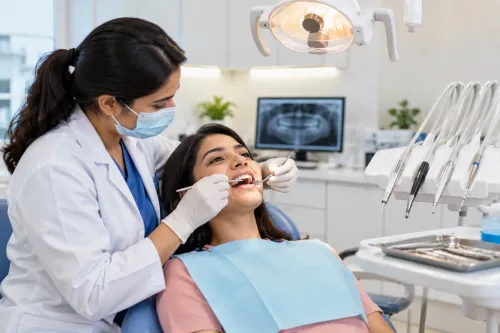
During a dental examination, the clinician inspects tooth shape, colour, proportion, cracks, decay, existing restorations, wear, and sensitivity. A bite assessment checks tooth contacts, movement, clenching, grinding, jaw-muscle symptoms, and whether reshaping could create functional problems.
| Assessment | What is checked | Why it matters |
|---|---|---|
| Dental examination | Teeth, restorations, wear, decay, cracks | Finds damage that cosmetic treatment could worsen |
| Gum and bone evaluation | Gum display, recession, inflammation, periodontal support | Confirms that teeth have healthy supporting tissues |
| Dental photographs and X-rays | Facial proportions and tooth position; roots, bone levels, hidden decay, cracks, or infection when indicated | Photographs show appearance; X-rays reveal problems below the gum |
| Treatment planning | Shape, colour, proportion, durability of the alteration | Prevents a visually attractive but biologically weak result |
The clinician should ask about:
- Clenching or grinding, sensitivity, oral-hygiene stability, and existing fillings, crowns, veneers, or other restorations
- Previous orthodontic treatment, retainers, and changes in tooth position
- The exact change you want: lighter colour, altered length, a smaller gap, less gum display, or improved symmetry
Digital previews and mock-ups help compare tooth shape and proportion before treatment. They are planning aids, not guarantees of the final optical appearance or biological result.
Which treatment matches the concern—and what can it change?
Choose treatment by the problem you want changed: colour, surface shape, tooth strength, position, or replacement.
| Option | What it changes | When it fits and what to expect |
|---|---|---|
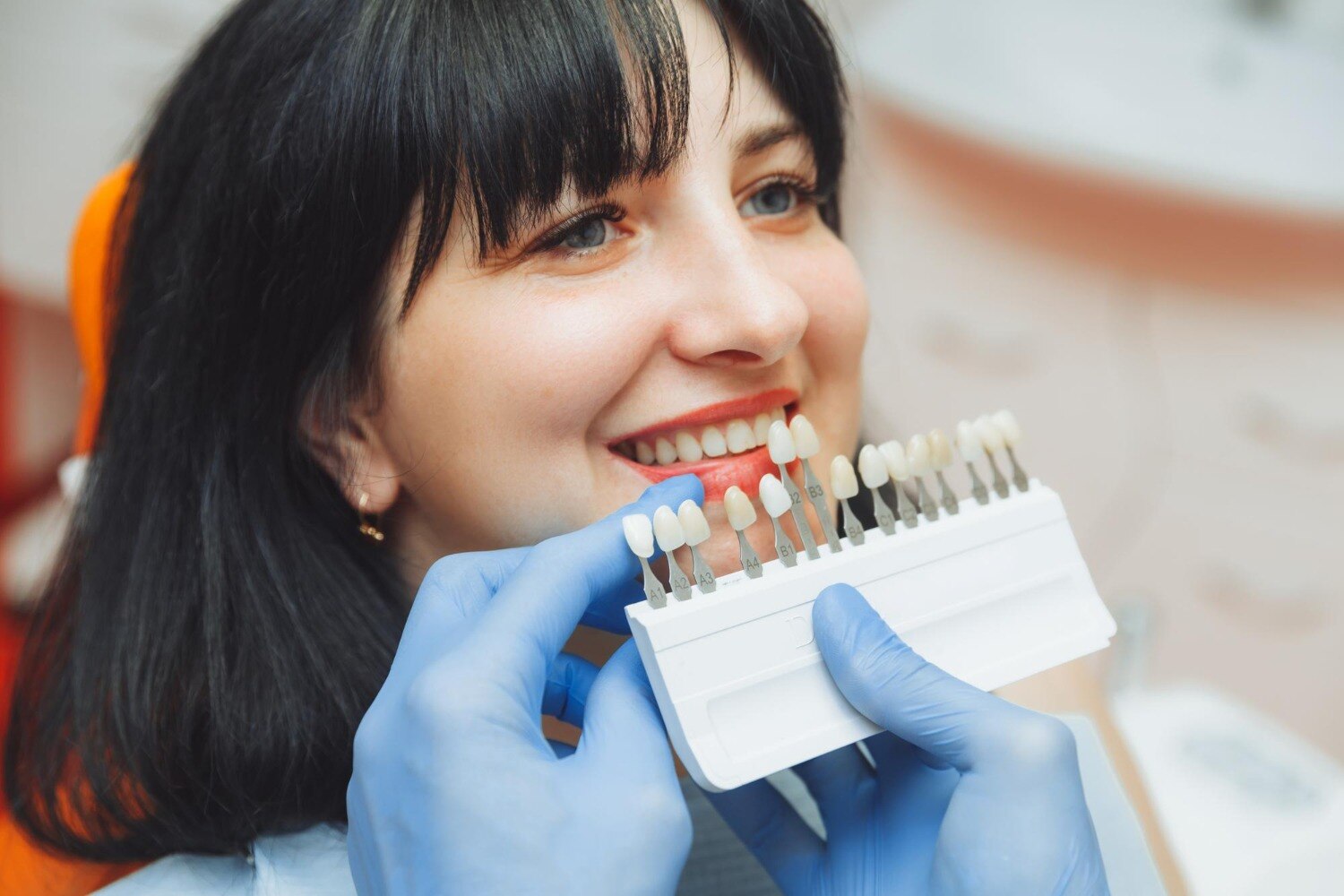
| Professional whitening | The colour of natural enamel and dentin | It does not whiten fillings, crowns, veneers, or porcelain. Whitening before replacing a visible restoration helps the dentist match its shade. Sensitivity and temporary gum irritation depend on peroxide concentration, contact time, tray fit, and existing damage. |
| Composite bonding | Limited chips, small gaps, and tooth shape | It removes less tooth structure than veneers, but stains, wears, and chips more readily than porcelain. It is often repairable. |
| Porcelain veneers | The front surface and visible shape | Teeth whitening versus veneers is a colour-only choice versus a surface alteration. Veneers commonly require enamel removal, making them generally irreversible; they still need maintenance. |
| Crowns | The entire visible tooth | Use them for substantially weakened, cracked, heavily filled, or extensively worn teeth—not a healthy tooth with a minor defect. |
| Orthodontics | Position, spacing, crowding, and bite | Orthodontics versus bonding: alignment addresses the cause more directly, but takes longer and requires retainers. |
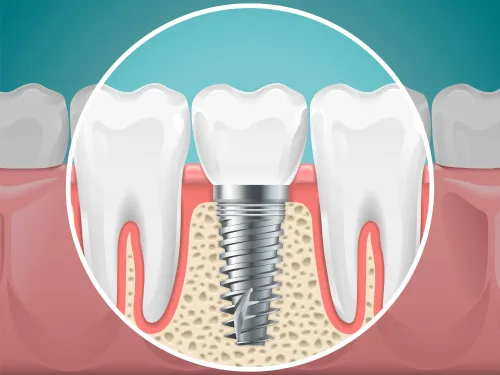
For missing teeth, compare implants bridges and dentures according to bone, gum health, function, maintenance, and medical risk. Dr. Nair’s Dental Care and Implant Center can coordinate that comparison when cosmetic and restorative choices overlap.
Bonding is not a substitute for alignment, and a veneer is not a stronger whitening treatment. The right choice depends on how much healthy structure remains and whether the proposed change must withstand biting forces.
Related services
Alignment Teeth Alignment Treatment for a Healthy, Confident Smile Achieve a straighter, healthier smile with our professional teeth alignment treatments. |
Dentures Dentures Dentures for Restoring Your Natural Smile and Confidence Regain the ability to eat, speak, and smile comfortably with custom-made dentures designed... |
When is cosmetic treatment the wrong first choice?
Pause elective cosmetic treatment if untreated decay, active gum disease, loose teeth, severe enamel loss, untreated grinding, unstable oral hygiene, an uncontrolled bite problem, or unrealistic expectations are present. Stabilize disease and function first; a general dentist, periodontist, orthodontist, or oral surgeon may need to lead care.
1. Do not treat a gummy smile by reshaping gum until its cause is identified. Altered passive eruption may require periodontal recontouring or crown lengthening; a short upper lip or excessive lip movement may need lip treatment; vertical maxillary excess may require jaw surgery; and tooth wear may require restorative or bite management.
Treating the wrong cause can produce an unnatural result.
2. Whitening and veneers do not correct gum recession and exposed roots. Check for traumatic brushing, thin gum tissue, periodontal disease, tooth position, and clenching first. Selected recession sites may benefit from a periodontal graft, but complete root coverage is not guaranteed.
3. Discuss bruxism and bite contacts before changing tooth shape. For implants, confirm adequate bone and healthy gums; smoking, poorly controlled diabetes, untreated periodontal disease, and inadequate plaque control raise complication risks. Orthodontic treatment also requires retainers.
Before irreversible care, ask:
- What is the diagnosis, and what conservative alternatives exist?
- How long will the result last, and what treatment maintenance and replacement costs apply?
- What happens if the result is unsatisfactory?
Frequently asked questions
Which smile concerns justify a cosmetic-dentist consultation?
Consider a consultation for noticeable stains, chips, gaps, uneven teeth, excess gum display, worn edges, or concerns about smile symmetry and proportion.
How can you tell whether appearance is hiding a dental problem?
Pain, sensitivity, bleeding gums, swelling, bad breath, loose teeth, changes in your bite, or rapidly changing tooth colour point to a dental problem that needs assessment.
What does a cosmetic dentist check before recommending treatment?
The dentist checks your teeth, gums, bite, enamel, restorations, facial proportions, medical history, and any signs of decay, infection, or gum disease.
Which treatment matches the concern?
Whitening addresses suitable stains, bonding repairs small chips, veneers change selected tooth shape or colour, orthodontic treatment moves teeth, and gum reshaping changes the visible gum line.
When is cosmetic treatment the wrong first choice?
Cosmetic treatment is not the first choice when you have untreated decay, infection, gum disease, significant enamel loss, uncontrolled grinding, or an unstable bite.
Related services
Modern Braces, Designed for Better Smiles Modern Braces, Designed for Better Smiles Achieve a healthier, more confident smile with modern orthodontic braces. |
Advanced Gum Treatment for Healthier Gums and Teeth Advanced Gum Treatment for Healthier Gums and Teeth Protect your smile with advanced gum treatment designed to restore and maintain healthy gums. |
Dental Implants to Transform Your Smile Dental Implants to Transform Your Smile What are Dental Implants? Imagine being able to smile, eat, and speak without thinking about the missing tooth at all. |
Dental Fillings Dental Fillings Dental Fillings for Strong, Healthy Teeth Restore the strength and function of your teeth with durable, tooth-colored dental fillings. |